
Affiliate disclosure: As an Amazon Associate I earn from qualifying purchases. This post contains affiliate links, at no extra cost to you.
Quick answer: Tai chi for seniors is a slow, low-impact movement practice that trains balance, leg strength and body awareness. Research links regular practice to fewer falls in older adults. Ten gentle minutes a day, seated or standing, is a realistic place to start.
By Dr. Mueed Akhtar, PhD (Chemical Engineering), founder of HawkInc · Last updated 13 October 2026
Key takeaways
- Tai chi is slow, low-impact and can be done seated, which makes it one of the safest exercises for older adults.
- Ten minutes a day is a realistic starting point; consistency matters more than session length.
- A randomized trial of adults over 70 found a 55% lower risk of multiple falls after six months of tai chi three times a week.
- Seated (chair) tai chi suits low-energy days, limited mobility and recovery periods.
- Practise in a clear space with a sturdy chair or counter within reach, and check with your doctor if you have a health condition.
You used to stand up without thinking about it. Now you reach for the armrest first.
You slow down on the stairs. You watch the rug edge. You hesitate before stepping off the curb. Nobody else notices, but you do, and it quietly makes your world smaller.
Here is the good news: balance is a skill, not a fixed trait. And one of the best-studied ways to rebuild it takes about as long as a cup of tea.
Why falls are the real threat after 60
Falls are not a minor inconvenience. According to the CDC, more than one in four older adults reports a fall each year, and falls send millions to emergency rooms.
The bigger cost is fear. After one stumble, many people move less. Moving less weakens the legs and dulls balance. That makes the next fall more likely. It is a loop, and it steals independence one small “I’d better not” at a time.
To break the loop, you need movement that is safe enough to start today and challenging enough to build balance. That is exactly where tai chi fits.
What the research says about tai chi for balance and fall prevention
Tai chi is not just relaxing. It is one of the most-studied balance exercises for older adults.
- Fewer falls: In a 6-month randomized trial of inactive adults aged 70+, the tai chi group had a 55% lower risk of multiple falls than a stretching group, plus better balance and less fear of falling.
- Large reviews agree: A Cochrane review pooling 108 trials and over 23,000 older adults found tai chi cut the rate of falls by about 19%.
- Doctors recommend it: A Mayo Clinic endocrinologist notes that among balance exercises, tai chi is the one shown to prevent falls.
One honest caveat: most studies used classes two or three times a week for months. A book is a way to start and stay consistent at home, not a medical treatment. Check with your doctor first, especially with heart, blood pressure or joint conditions.
The problem with most tai chi programs for seniors
If tai chi works, why don’t more people stick with it?
Because most programs weren’t built for a 72-year-old with a stiff knee. Long forms with dozens of moves are hard to remember. Videos move too fast. Classes may be a drive away. Many books spend more time on philosophy than on what to do this morning.
So people try once, feel lost, and quit. What they need is simple, short, illustrated and forgiving.
Meet Tai Chi for Seniors by Jason W. Kan
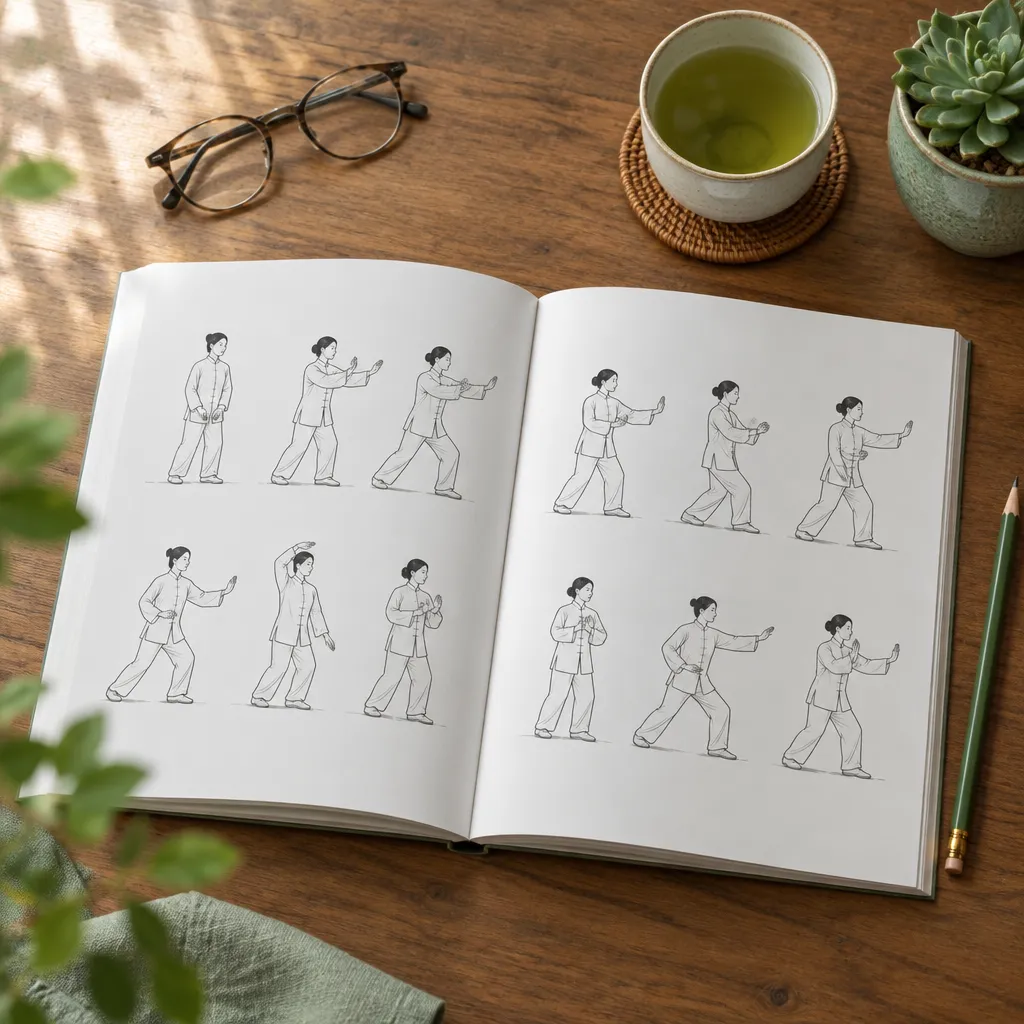
Tai Chi for Seniors: Support Balance, Ease Joint Stiffness & Move with Confidence is a 100-page, large-format (8.5 x 11 in) guide published in December 2025. It is built around one promise: 10 gentle minutes a day, for 4 weeks, at your own pace.
Inside, you get:
- A 4-week, 10-minute-a-day plan that builds balance and strength gradually.
- Step-by-step illustrations for every movement.
- Classic forms made simple, including Brush Knee, White Crane Spreads Its Wings and Wave Hands Like Clouds.
- Chair and standing versions, so you can keep going on “bad” days.
- A safety checklist covering how to start, what to watch for and when to call your doctor.
- Home setup guidance for shoes, chair and support surfaces.
- Targeted sequences for stiff knees, hips, shoulders and back.
- Fall-prevention balance drills for standing, turning and walking.
- A forgiving long-term plan that still works if you miss days.
It comes as Kindle, paperback and spiral-bound. The spiral-bound edition lies flat on a table, which makes following along far easier. See the full book overview here.
10 minute tai chi for seniors: what a session looks like
The structure is deliberately simple:
- Settle (2 min): posture, breathing, feet grounded.
- Warm the joints (2 min): gentle circles for ankles, hips, shoulders and wrists.
- Flow (4 min): two or three simplified forms, done slowly.
- Balance (1 min): a supported drill near a counter or chair.
- Close (1 min): stillness and slow breathing.
That is it. No equipment, no gym, no special flexibility.
Try it now (60 seconds, seated): sit tall near the front of a sturdy chair, feet flat. Raise both hands to chest height, palms facing you. Slowly sweep one hand across your body like wiping a window while the other drifts down. Switch. Let your eyes follow the upper hand. Breathe slowly. This is a seated take on “Wave Hands Like Clouds.”
Seated tai chi for seniors: when standing feels risky
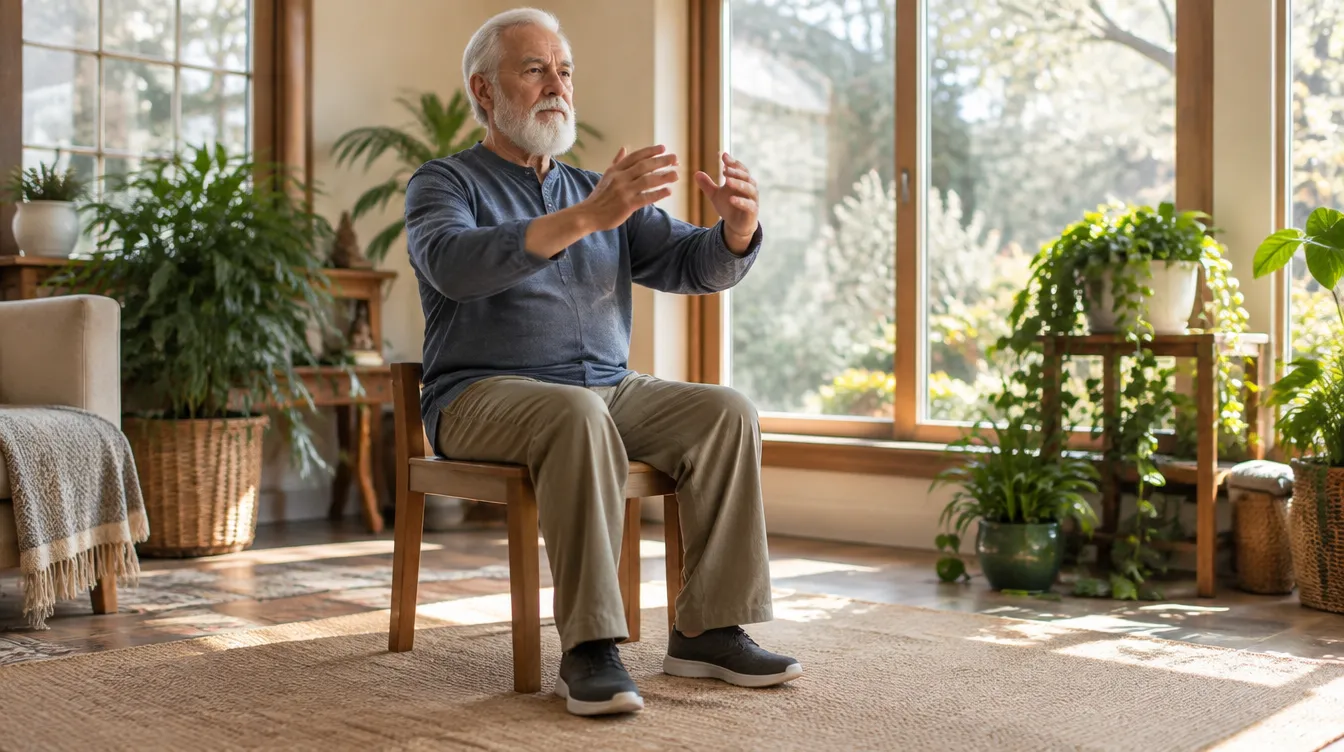
Some days your knees ache. Some days you are tired, recovering, or simply unsteady. That is exactly when most people stop exercising, and exactly when this book’s chair options keep you moving.
Seated tai chi still trains posture, coordination, breathing and upper-body mobility. It keeps the habit alive, so when you feel better, you stand back up with momentum instead of starting from zero.
Gentle tai chi for stiff joints
Tai chi moves joints through comfortable ranges, slowly, with no jumping or impact. The book includes sequences aimed at knees, hips, shoulders and back. You stay within a pain-free range, and you never have to “keep up” with anyone. If you also want to build strength, pair it with gentle resistance work like the ideas in our strength training guide for women over 40.
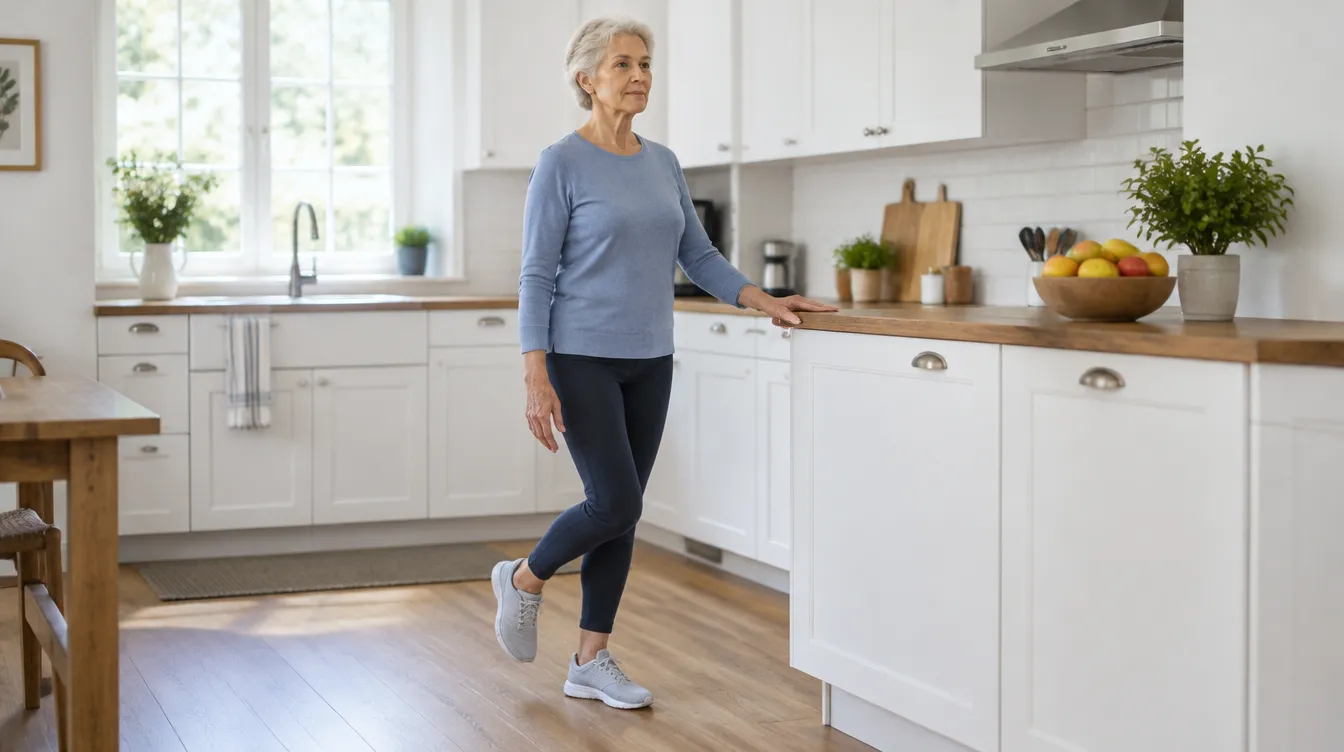
Set up a safe practice space
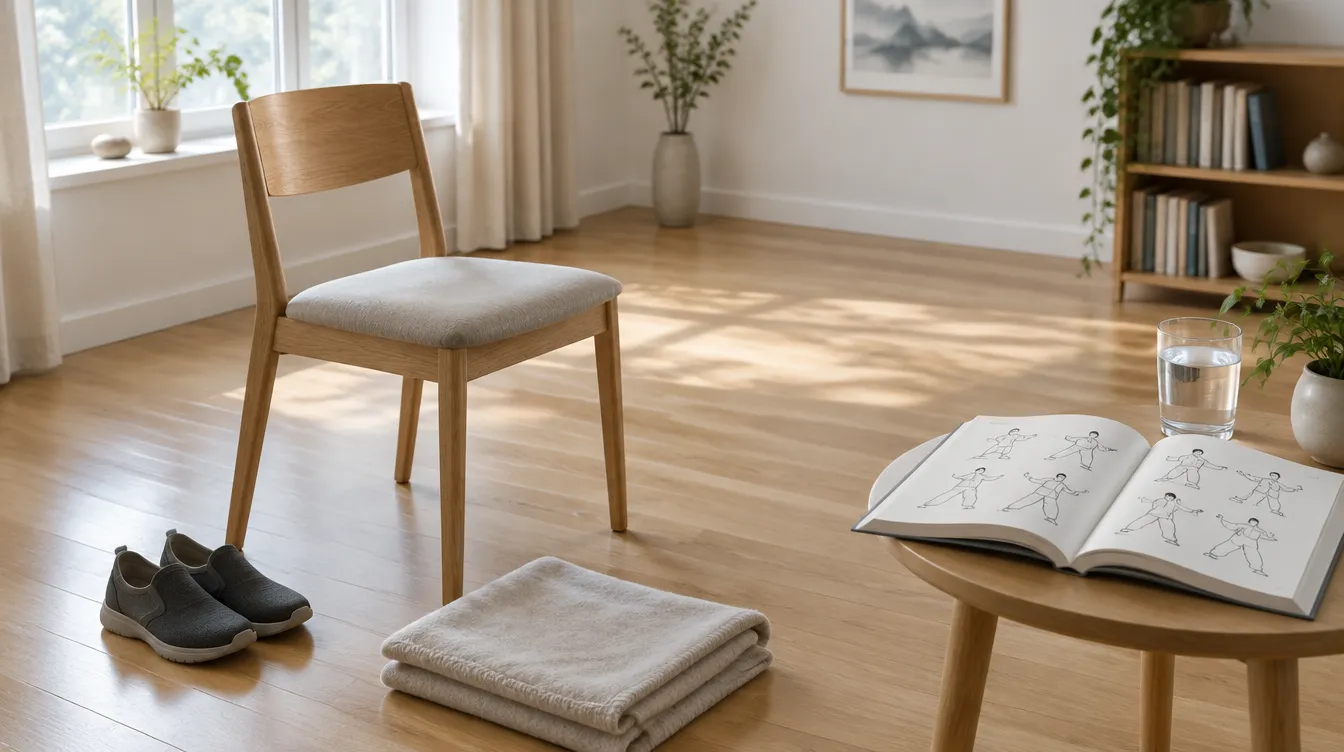
- Clear a space about two arm-lengths wide. Move rugs and cords.
- Keep a sturdy, armless chair or a kitchen counter within reach.
- Wear flat, non-slip shoes (not socks on hard floors).
- Practice in good light, with water nearby.
Who this book is for (and who it isn’t)
Great fit if you:
- Are 60+ and want to feel steadier on your feet.
- Have never exercised much, or are restarting after a break.
- Prefer short, illustrated routines you can do at home.
- Need seated options for low-energy or high-pain days.
- Are a caregiver looking for safe activities for a parent.
Look elsewhere if you:
- Want a long traditional form or martial-arts depth.
- Learn best from video only. This is a printed, illustrated guide.
- Dislike background chapters. The book opens with context on tai chi and wellness before the routines; you can skip ahead to the plan.
A thoughtful gift for parents and grandparents
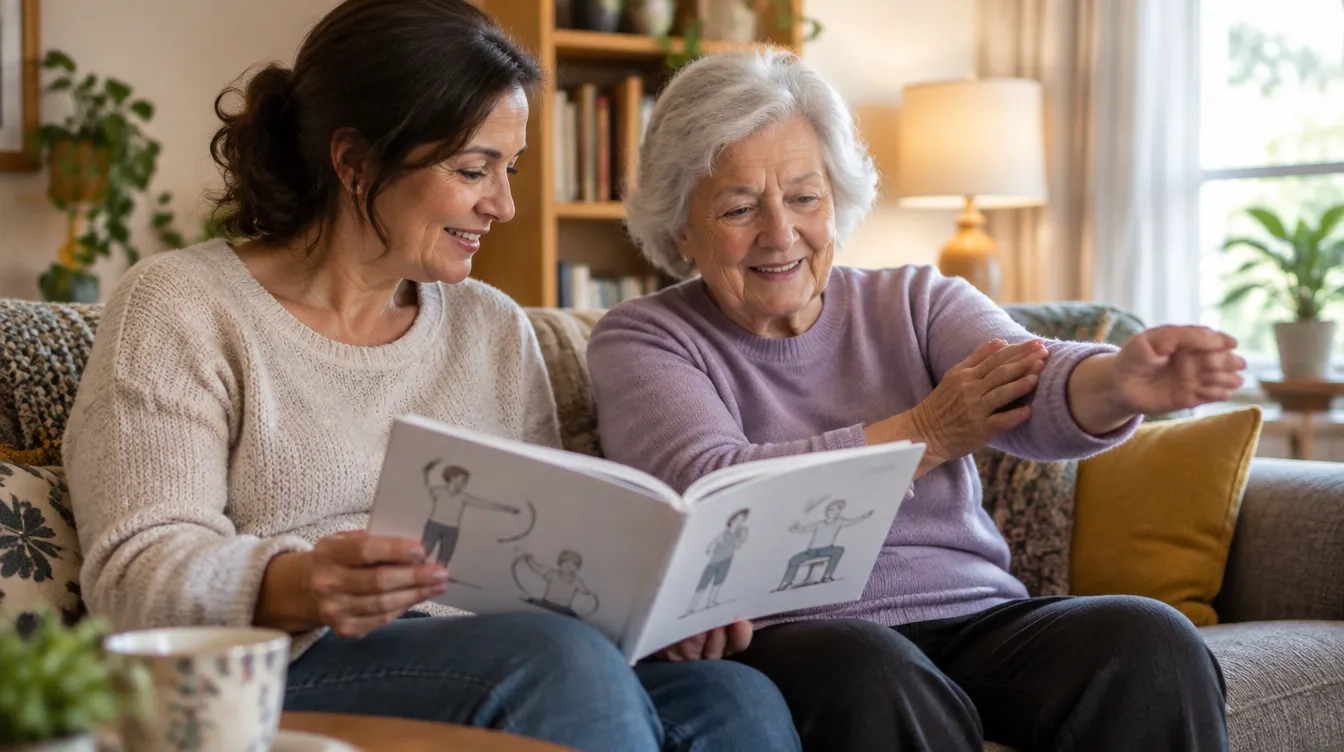
Worried about a parent who lives alone? A book like this says “I want you independent” without saying “I’m worried you’ll fall.” Pair it with a pair of non-slip shoes and offer to do the first session together.
Why it’s one of the best tai chi books for seniors starting out
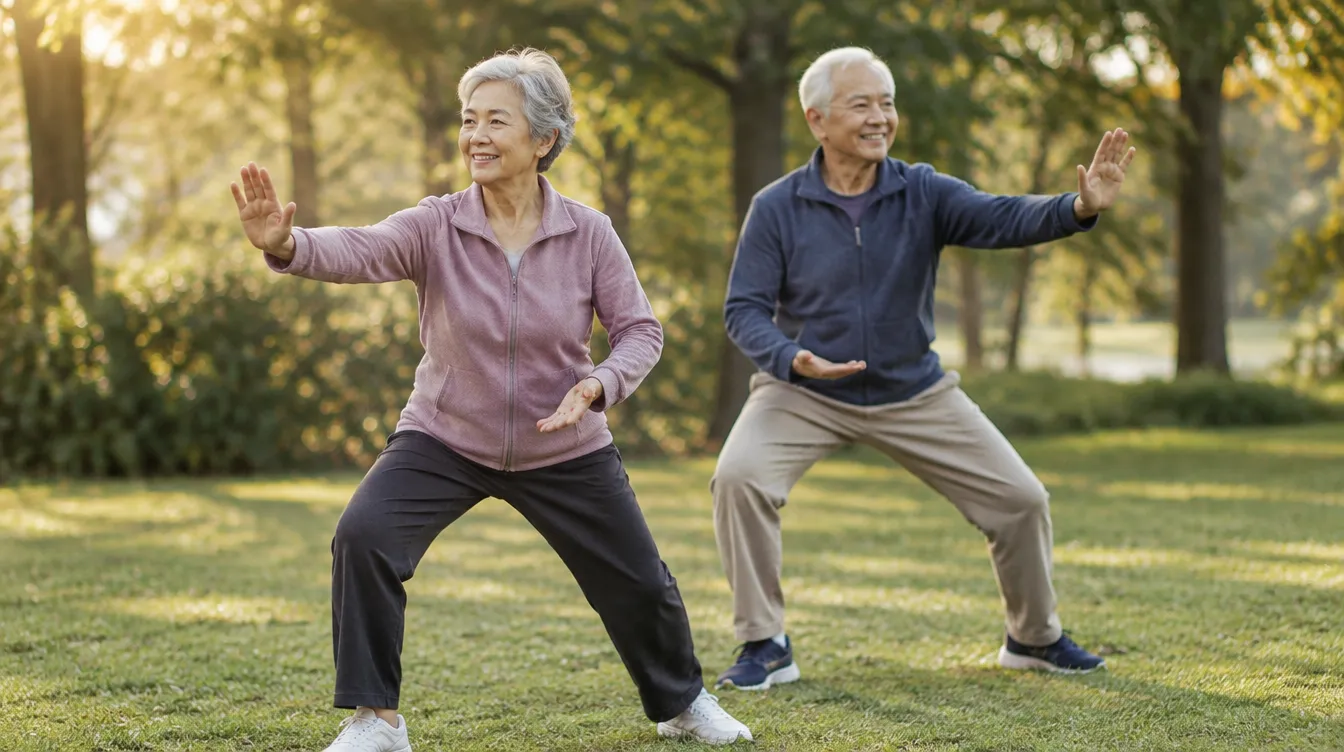
The best tai chi book for seniors is the one you will actually use. This guide wins on usability: short sessions, a clear 4-week path, chair options and pictures for every move. It meets you where you are today.
You can stay in the loop of fear and stiffness. Or you can spend 10 minutes tomorrow morning teaching your body to feel steady again.
Start your 4-week tai chi plan today: get Tai Chi for Seniors on Amazon
Frequently asked questions about tai chi for seniors
Is tai chi safe for seniors?
Yes, tai chi is generally considered one of the safest exercises for older adults because it is slow, low-impact and can be done seated. Start with short sessions near a chair or counter, and check with your doctor first if you have heart, blood pressure or joint conditions.
How long should seniors do tai chi each day?
Ten minutes a day is a realistic starting point for most seniors. Consistency matters more than length; the Tai Chi for Seniors book is built around a 10-minute daily routine over 4 weeks.
Can tai chi help prevent falls?
Yes, studies link regular tai chi to fewer falls in older adults. A randomized trial of adults over 70 found a 55% lower risk of multiple falls after 6 months of practice three times a week.
Can you do tai chi sitting down?
Yes, seated or chair tai chi uses the same slow arm, torso and breathing patterns while you sit on a sturdy chair. It is ideal for low-energy days, limited mobility or recovery periods.
Is tai chi good for stiff knees and hips?
Tai chi is often recommended for stiff joints because it moves them gently through comfortable ranges without impact. Stay within a pain-free range and use the chair versions on sore days.
Do I need any equipment?
No special equipment is needed: a sturdy armless chair, flat non-slip shoes and a clear space about two arm-lengths wide are enough.
What is the best tai chi book for seniors who are complete beginners?
Look for short daily sessions, illustrations for every move, seated options and a clear week-by-week plan. Tai Chi for Seniors by Jason W. Kan checks all four with a 4-week, 10-minute-a-day program.
Is there a large-format or spiral-bound edition?
Yes, the book is printed at 8.5 x 11 inches and comes in paperback, spiral-bound and Kindle editions. The spiral-bound version lies flat while you practice.
This article is for general information and is not medical advice. Talk with your doctor or physical therapist before starting any new exercise program.